

The 15 Most Common Food Safety Violations in Restaurants — And How to Fix Them

Running a restaurant is demanding. Between employees, customers, food deliveries, equipment, cleaning, and daily operations, food safety can sometimes get pushed down the list.
But food safety violations can lead to more than a disappointing inspection. Poor food-handling practices can increase the risk of foodborne illness, damage your reputation, and potentially cost your business money.
The good news? Many common restaurant food safety violations are preventable with proper training, daily procedures, and consistent management.

Here are 15 common food safety violations found in restaurants — and practical ways to fix them.
1. Improper Handwashing
One of the most basic food safety requirements is also one of the most commonly overlooked.
Employees may fail to wash their hands when they should, wash for too little time, or use a sink that isn't designated for handwashing.
How to Fix It
Make proper handwashing part of your restaurant culture.
Employees should know when and how to wash their hands, and handwashing sinks should always be stocked with the necessary supplies.
Train employees to wash their hands after activities that can contaminate them, including handling raw foods, touching their face or hair, using the restroom, taking out garbage, or performing cleaning tasks.
2. Poor Employee Hygiene
Food employees can unintentionally contaminate food through poor personal hygiene.
Examples include touching the face or hair, wearing dirty clothing, improperly using gloves, or working while experiencing symptoms that should be reported according to applicable food safety requirements.
How to Fix It
Establish clear employee hygiene policies and review them regularly.
Managers should lead by example and correct unsafe practices immediately.
3. Incorrect Food Temperatures
Temperature control is one of the most important parts of preventing foodborne illness.
Problems can occur when refrigerated foods become too warm, hot foods aren't maintained at the required temperature, or employees don't regularly monitor temperatures.
How to Fix It
Use accurate, properly calibrated food thermometers and establish a routine temperature-monitoring procedure.
Employees should know the required temperature standards for the foods they prepare and how to respond when temperatures are outside the required limits.
4. Improper Cooling
Cooling cooked food incorrectly can create conditions that allow harmful bacteria to multiply.
Large containers of hot food can take too long to cool if they're placed directly into refrigeration without an appropriate cooling method.
How to Fix It
Train employees on approved cooling procedures.
Depending on the food and operation, methods may include dividing food into smaller containers, using shallow pans, stirring, using an ice bath, or other approved rapid-cooling techniques.
Always follow the applicable food code requirements for your jurisdiction.
5. Improper Reheating
Cooked foods that are cooled and later reheated need to be handled correctly.
Simply warming food until it "feels hot" isn't a reliable food safety procedure.
How to Fix It
Train employees to use a food thermometer and follow the applicable reheating requirements.
Document your procedures and make sure employees understand which foods require reheating and how quickly they need to reach the required temperature.
6. Cross-Contamination
Cross-contamination occurs when harmful microorganisms are transferred from one food, surface, utensil, or person to another.
A common example is raw chicken coming into contact with ready-to-eat foods.
How to Fix It
Separate raw and ready-to-eat foods throughout receiving, storage, preparation, cooking, and service.
Use properly cleaned and sanitized equipment and surfaces, and organize refrigerators so raw foods are stored appropriately below foods that could be contaminated by leaks or drips.
7. Improper Food Storage
Food stored incorrectly can become contaminated or spoil.
Common problems include uncovered food, damaged containers, improper separation of raw and ready-to-eat foods, and food stored in unsuitable locations.
How to Fix It
Keep food covered and protected.
Label and date foods according to your restaurant's procedures and applicable requirements.
Regularly inspect refrigerators, freezers, and dry-storage areas.
8. Expired or Spoiled Food
Restaurants can accumulate old ingredients quickly.
Food that is past its required holding period, spoiled, or otherwise unsafe should not remain in use.
How to Fix It
Use a FIFO system — First In, First Out.
Organize storage so older products are used before newer products whenever appropriate.
Have employees routinely check expiration dates, use-by dates, and other required time controls.
9. Improper Cleaning and Sanitizing
Cleaning removes dirt, grease, and food debris.
Sanitizing reduces microorganisms to a safe level.
Doing one without properly doing the other can create food safety problems.
How to Fix It
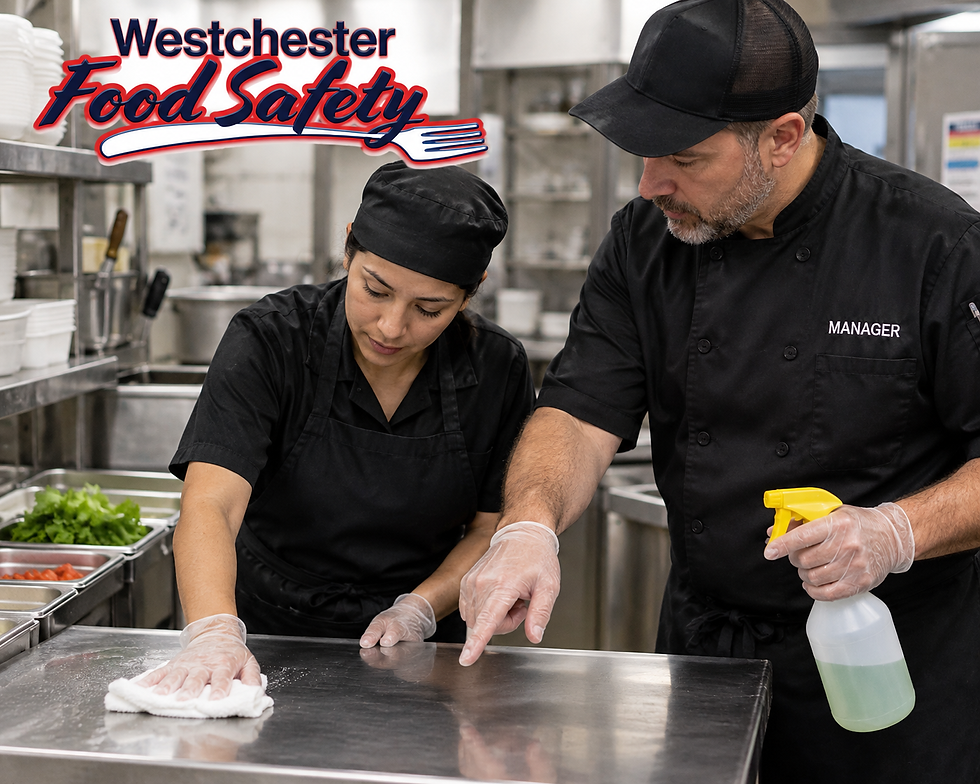
Create written cleaning and sanitizing procedures for food-contact surfaces and equipment.
Make sure employees understand:
Clean → Rinse when required → Sanitize → Air Dry
Use sanitizer according to the manufacturer's instructions and applicable food safety requirements.
10. Incorrect Sanitizer Concentration
Using too little sanitizer may not provide adequate protection. Using too much can also create problems.
How to Fix It
Use the appropriate test strips or other approved testing method for your sanitizer.
Train employees to check sanitizer concentration according to your procedures and the product label.
Don't guess.
Test it.
11. Dirty or Improperly Maintained Equipment
Restaurant equipment can develop grease, food buildup, cracks, rust, or other conditions that make proper cleaning difficult.
How to Fix It
Inspect equipment regularly.
Include equipment cleaning and maintenance on your daily or weekly checklist.
Replace damaged cutting boards, utensils, containers, seals, and other equipment when they can no longer be properly cleaned or maintained.
12. Improper Glove Use
Gloves can create a false sense of security.
Employees may wear gloves while handling multiple foods or touching phones, cash, door handles, or other contaminated surfaces.
How to Fix It
Teach employees that gloves are not a substitute for handwashing.
Change gloves when they become contaminated, damaged, or when employees change tasks as required. Wash hands before putting on new gloves when appropriate.
13. Pest Problems
Cockroaches, rodents, flies, and other pests can contaminate food and food-contact surfaces.
Even small signs of pest activity should be taken seriously.
How to Fix It
Keep food properly stored and garbage controlled.
Seal openings where pests can enter, maintain clean storage areas, and work with a qualified pest-control professional when necessary.
Don't wait until you have a major infestation.
14. Improper Employee Illness Policies
Employees who are sick can potentially spread illness through food and food-contact surfaces.
Restaurants need procedures for handling employee illness and reporting symptoms or diagnoses that require exclusion or restriction under applicable food safety rules.
How to Fix It
Have a written employee illness policy.
Train employees on when they must report symptoms or illnesses to management and make sure managers understand their responsibilities.
When in doubt, consult the applicable food code or local health department.
15. Lack of Food Safety Training
A restaurant can have excellent policies on paper and still have serious food safety problems if employees don't understand how to follow them.
How to Fix It
Train your staff.
Food safety training should cover the procedures employees actually perform every day, including handwashing, personal hygiene, temperature control, cross-contamination prevention, cleaning and sanitizing, food storage, and proper food handling.
Managers should reinforce training through regular observation and coaching.
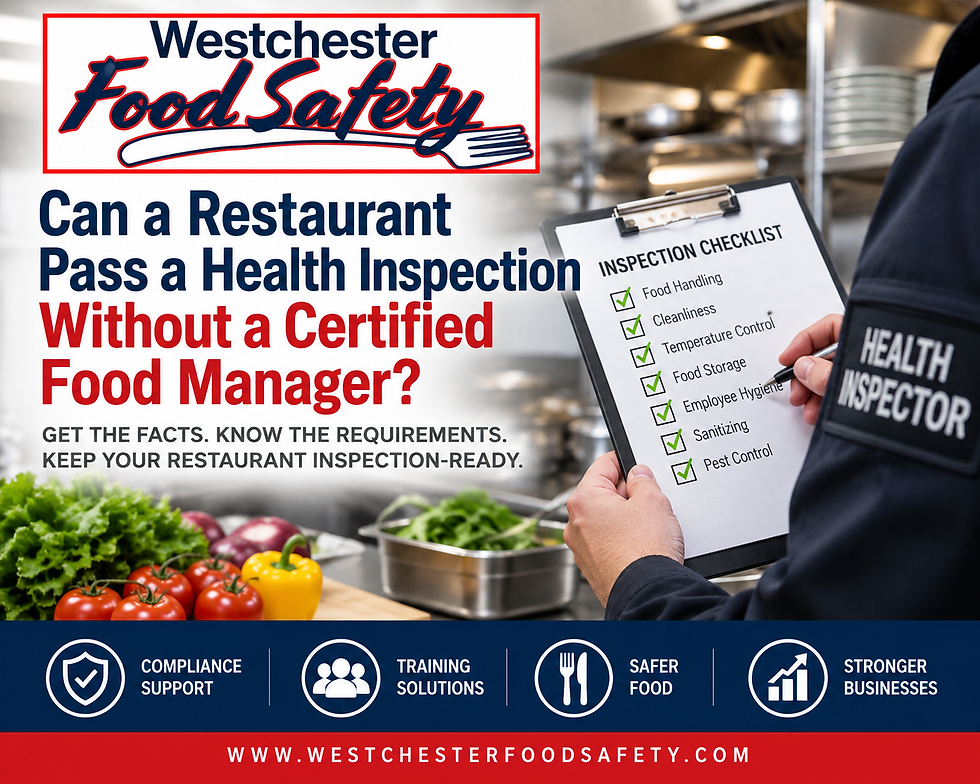
How to Prevent Food Safety Violations Before an Inspection
Don't wait for a health inspector to identify problems.
Perform your own routine self-inspections.
Walk through your kitchen and ask:
Are all refrigerators maintaining proper temperatures?
Are employees washing their hands correctly?
Are raw foods separated from ready-to-eat foods?
Are food-contact surfaces clean and sanitized?
Is sanitizer being tested?
Are foods properly labeled and dated?
Are employees following cooling and reheating procedures?
Are pests or signs of pests present?
Are equipment and facilities clean and properly maintained?
Do employees understand your food safety procedures?
A daily food safety checklist can help managers catch small problems before they become bigger ones.
Food Safety Starts With Training
Many restaurant violations aren't caused by employees intentionally doing something wrong. Often, employees simply haven't been properly trained or don't understand why a particular procedure matters.
That's why ongoing food safety education is so important.
At Westchester Food Safety, we help restaurants and food service operations build stronger food safety knowledge through ServSafe Food Protection Manager training and certification and customized food handler training.
Whether you're a restaurant owner, manager, chef, food service director, or employee, understanding food safety requirements can help protect your customers and your business.
Don't Wait for the Health Inspector
The best time to fix a food safety problem is before it becomes a violation.
Train your staff. Check your temperatures. Clean and sanitize properly. Prevent cross-contamination. Follow safe food-handling procedures. Perform regular self-inspections.
Be inspection-ready every day.
Westchester Food Safety
Serving food establishments throughout the New York, New Jersey, and Connecticut tri-state area.
ServSafe Manager Certification • Food Handler Training • On-Site Training
Learn more: www.westchesterfoodsafety.com
Westchester Food Safety — Training restaurants to protect their customers, their employees, and their business.

Comments