

What Do You Need to Satisfy the Health Department When Opening a Restaurant?

3 Important Steps Every New Food Establishment Should Know

Opening a restaurant, deli, bakery, catering business, café, food service operation, or other food establishment is exciting—but there are many requirements you need to understand before you open your doors.
One of the biggest mistakes new food business owners can make is waiting until the last minute to contact the appropriate local authorities.
Every municipality and health department can have different requirements, applications, fees, inspections, and approval processes.
So where do you start?
Here are three important steps to help you get started when opening a food establishment.
Step 1: Contact Your Local Building Department
Before you start building out your restaurant or food establishment, contact the building department in the municipality where you plan to operate.
This is an important first step.
Your local building department can help you understand the requirements for the property and the proposed use of the building.
Depending on the location and type of establishment, you may have to work through multiple requirements involving things such as:
Building permits
Zoning
Plumbing
Electrical work
Fire requirements
Occupancy
Construction
Equipment installation
Signage
Other municipal approvals
There can be many steps involved.
Do not assume that because a location was previously a restaurant, you automatically meet all current requirements.
Contact the municipality early and find out what is required before investing heavily in your build-out.
Step 2: Contact Your Local Health Department
The next important step is contacting the local health department responsible for regulating your food establishment.
This is extremely important because food service requirements can vary depending on your location and the type of operation you are opening.
Search for your local health department, visit its official website, call, and ask questions.
You may be required to submit:
A food establishment application
Plans or other documentation
Application fees
Operating information
Menu information
Equipment information
Food safety documentation
Insurance documentation
Other required paperwork
Your health department will provide you with the requirements that apply to your particular operation.
Don't wait until you're ready to open.
One of the smartest things a new restaurant owner can do is contact the health department early in the planning process.
Understanding the requirements ahead of time can help you avoid costly surprises later.
Step 3: Get Your Food Safety Manager Certified
One of the most important parts of operating a food establishment is having properly trained food safety management personnel.
This is where Westchester Food Safety can help.
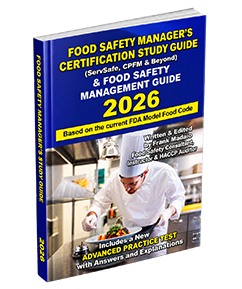
Westchester Food Safety provides ServSafe Food Manager certification and food safety training for restaurant owners, managers, chefs, supervisors, and other food service professionals.
Why is food safety manager training important?
Because opening a restaurant isn't just about having the right equipment and passing an inspection.
You need to understand how to safely operate your food establishment every day.
A Food Safety Manager course covers important topics including:
Foodborne illness prevention
Proper handwashing
Employee health
Cross-contamination
Food allergies and cross-contact
Food temperatures
Time and temperature control
Cooking
Cooling
Reheating
Food storage
Cleaning and sanitizing
Pest prevention
Safe food handling
Food safety management
Take a Live ServSafe Food Manager Class With Westchester Food Safety
Westchester Food Safety offers live ServSafe Food Manager classes, giving students the opportunity to learn directly from an experienced instructor.
That's important.
You can ask questions.
You can discuss real restaurant situations.
You can get clarification when something doesn't make sense.
And you can learn the food safety principles that you will actually need when operating your establishment.
Frank Madaio, owner and instructor of Westchester Food Safety, takes a sincere and practical approach to food safety education.
His goal is simple:
Educate you. Prepare you. Help you understand food safety.
Westchester Food Safety offers a straightforward approach to ServSafe Food Manager certification, helping food service professionals prepare for the certification process without unnecessary confusion.
Opening a Restaurant? Start Your Food Safety Training Early.
If you're opening a new restaurant or food establishment, don't wait until the last minute to think about food safety certification.
Start early.
Contact your municipality.
Contact your local health department.
Understand the requirements.
And get your food safety manager training completed as part of your opening process.
Requirements can vary by jurisdiction, so always confirm the current requirements directly with your local health department and municipality.
Ready to Get Your Food Safety Manager Certification?
Opening a restaurant is a major investment.
You have enough to worry about—construction, equipment, employees, suppliers, menus, permits, inspections, and getting your doors open.
Let Westchester Food Safety help you with one important part of the process: food safety education and ServSafe Food Manager certification.
Whether you're opening a restaurant, deli, bakery, café, catering company, food truck, school food service operation, country club, or other food establishment, Frank and Westchester Food Safety can help you take the next step.
Don't wait until the health department asks. Get prepared now.
Take your live ServSafe Food Manager class with Frank.
Learn the material. Ask questions. Get prepared. Get certified.
Westchester Food SafetyLive ServSafe Food Manager Classes • Private Group Training • Food Safety Education
Serving Connecticut & New York


Comments