

The Most Widespread Foodborne Illnesses: What Every Restaurant Owner Needs to Know


Food safety is one of the most important responsibilities in the restaurant industry. Every day, restaurants prepare meals for customers who trust that their food has been handled, stored, cooked, and served safely.
But foodborne illness remains a significant public health concern in the United States. A single mistake involving improper cooking temperatures, contaminated equipment, poor handwashing, or unsafe food storage can put customers at risk.
According to the U.S. Food and Drug Administration (FDA), the federal government estimates that approximately 48 million cases of foodborne illness occur annually in the United States. These illnesses result in an estimated 128,000 hospitalizations and 3,000 deaths each year.
That is roughly one in six Americans becoming sick from foodborne illness annually.
Source: FDA, What You Need to Know About Foodborne Illnesses https://www.fda.gov/food/consumers/what-you-need-know-about-foodborne-illnesses
For restaurant owners and managers, these numbers demonstrate why food safety training, proper supervision, and consistent procedures are essential.
What Are the Most Common Foodborne Illnesses?
Foodborne illnesses can be caused by bacteria, viruses, parasites, toxins, and other contaminants. Some illnesses cause temporary gastrointestinal symptoms, while others can lead to hospitalization or life-threatening complications.
The CDC identifies the following among the leading causes of foodborne illness in the United States.
1. Norovirus
Norovirus is the leading cause of foodborne illness in the United States.
It is highly contagious and can spread through contaminated food, water, surfaces, and the hands of infected individuals.
Common symptoms include:
Vomiting
Diarrhea
Nausea
Stomach cramps
Norovirus is especially concerning in restaurants because an infected food handler can contaminate ready-to-eat foods. Contaminated surfaces and inadequate handwashing can also contribute to its spread.
How restaurants can reduce the risk:
Employees must wash their hands correctly, avoid bare-hand contact with ready-to-eat foods when prohibited, and follow illness-reporting and exclusion requirements. Hand sanitizer is not a substitute for proper handwashing.
Employees experiencing vomiting or diarrhea must follow applicable food employee health policies and regulatory requirements before returning to work.
2. Salmonella
Salmonella is a bacterial pathogen associated with numerous foodborne illnesses and serious complications.
It can be associated with contaminated poultry, eggs, meat, unpasteurized products, and produce.
Common symptoms include:
Diarrhea
Fever
Abdominal cramps
Vomiting in some cases
How restaurants can reduce the risk:
Cook foods to the required minimum internal temperatures, prevent cross-contamination between raw and ready-to-eat foods, use properly calibrated thermometers, and follow approved procedures for receiving, storing, and preparing food.
Never assume food is safe simply because it looks or smells normal.
3. Campylobacter
Campylobacter is one of the leading bacterial causes of foodborne illness. It is commonly associated with raw or undercooked poultry, unpasteurized milk, and contaminated water.
Common symptoms include:
Diarrhea, sometimes bloody
Fever
Abdominal cramps
Nausea
How restaurants can reduce the risk:
Keep raw poultry separate from ready-to-eat foods, sanitize food-contact surfaces appropriately, wash hands after handling raw products, and cook poultry to the required safe internal temperature.
Proper procedures during preparation are just as important as the final cooking temperature.
4. Clostridium perfringens
Clostridium perfringens is frequently associated with foods prepared in large quantities, especially meat, poultry, gravies, and other foods held at unsafe temperatures.
It can become a problem when cooked foods are left at room temperature for too long or are cooled improperly.
Common symptoms include:
Abdominal cramps
Watery diarrhea
How restaurants can reduce the risk:
Follow established cooling procedures, divide large quantities of food into smaller portions when appropriate, use suitable shallow containers or other approved cooling methods, and monitor temperatures during cooling and holding.
Large pots of soup, gravy, or meat should never be left to cool slowly at room temperature.
5. Shiga Toxin-Producing E. coli
Certain strains of E. coli produce toxins that can cause serious illness. Some infections can lead to hemolytic uremic syndrome, a potentially life-threatening complication that can damage the kidneys.
Potentially contaminated foods include undercooked ground beef, unpasteurized products, contaminated produce, and other foods exposed to contaminated water or handling.
Common symptoms include:
Severe abdominal cramps
Diarrhea, which may be bloody
Vomiting in some case
How restaurants can reduce the risk:
Cook ground beef to the required minimum internal temperature, prevent cross-contamination, use approved suppliers, and wash produce appropriately when required.
Remember that visual appearance alone cannot confirm that ground beef has reached a safe temperature. Always use a food thermometer.
6. Listeria monocytogenes
Listeria is particularly concerning because it can grow under refrigeration conditions.
It is associated with certain ready-to-eat refrigerated foods, deli meats, soft cheeses made with unpasteurized milk, and other contaminated products.
Listeria can cause severe illness, particularly among pregnant women, newborns, older adults, and people with weakened immune systems.
Possible symptoms include:
Fever
Muscle aches
Fatigue
Nausea or diarrhea
How restaurants can reduce the risk:
Maintain refrigeration at the required temperature, observe date-marking and discard requirements, clean and sanitize food-contact surfaces, and prevent contamination of ready-to-eat foods.
Refrigeration slows the growth of many pathogens, but it does not eliminate every food safety hazard.
7. Staphylococcus aureus
Staphylococcus aureus can be carried on human skin and in the nose. Food can become contaminated when employees handle it improperly.
Under favorable conditions, the bacteria can produce a toxin that causes food poisoning. Some toxins may remain active even after the food is reheated.
Common symptoms include:
Sudden nausea
Vomiting
Abdominal cramps
Diarrhea
How restaurants can reduce the risk:
Employees should maintain proper personal hygiene, cover wounds appropriately, wash their hands correctly, and follow safe food handling and temperature-control procedures.
Food that has been temperature-abused should not be assumed safe simply because it is reheated.
What Do These Foodborne Illnesses Have in Common?
Although these pathogens differ, many foodborne illnesses can be prevented or reduced through proper food safety practices.
Restaurant managers should focus on the following critical areas:
1. Personal hygiene and handwashing
Employees must understand when and how to wash their hands, when gloves must be changed, and why gloves never replace handwashing.
2. Preventing cross-contamination
Raw meat, poultry, seafood, and eggs must be handled carefully to prevent pathogens from reaching ready-to-eat foods. Equipment and food-contact surfaces must be cleaned and sanitized as required.
3. Time and temperature control
Food must be received, stored, cooked, cooled, reheated, and held according to applicable food safety requirements.
4. Food employee health
Employees must report symptoms and diagnoses as required. Managers must follow applicable restrictions and exclusion policies to prevent sick employees from contaminating food.
5. Cleaning and sanitizing
Cleaning removes food debris and soil. Sanitizing reduces microorganisms on properly cleaned surfaces to required levels. Both are essential to an effective food safety program.
6. Food storage and date marking
Proper refrigeration, food rotation, date marking, and discard procedures help prevent unsafe storage and reduce opportunities for pathogen growth.
Why Every Restaurant Needs a Knowledgeable Food Safety Manager
A restaurant food safety manager does much more than oversee daily operations. The manager helps establish safe procedures, trains employees, monitors critical practices, and addresses problems before they put customers at risk.
Without effective supervision, even experienced employees can develop unsafe habits.
A knowledgeable manager should understand foodborne illnesses, employee hygiene, cross-contamination, temperature control, food allergies, cleaning and sanitizing, and the procedures necessary to maintain a safe food establishment.
Food safety training also helps managers recognize the warning signs of unsafe practices and explain to employees why specific procedures matter.
Food safety should never depend on one employee remembering everything. It should be built into the restaurant's daily operating procedures.
Westchester Food Safety: ServSafe Food Manager Training That Every Restaurant Should Consider
At Westchester Food Safety, I believe that proper food safety education is one of the most valuable investments a restaurant can make.
Having worked in the restaurant industry, I understand the challenges involved in managing employees, serving customers, and maintaining safe operations while meeting regulatory requirements.
That is why I pr
ovide ServSafe Food Manager training designed to help students understand essential food safety concepts and prepare for certification.
My goal is to make the learning process practical, informative, and relevant to the situations restaurant managers encounter every day.
Through our training opportunities, students can review important subjects such as:
Foodborne illnesses and their prevention
Proper cooking, cooling, and reheating procedures
Preventing cross-contamination
Personal hygiene and employee health
Cleaning and sanitizing
Food allergies and allergen cross-contact
Safe food storage and temperature monitoring
Food safety management principles
I want students to understand not just what the rules are, but why following them protects customers and supports a safer workplace.
Why I Recommend ServSafe Food Manager Training
For restaurant owners, investing in a knowledgeable food safety manager can help strengthen staff training, improve day-to-day procedures, and support compliance with applicable food safety requirements.
ServSafe Food Manager certification is an important credential for many food service professionals. Whether certification is legally required depends on the applicable state and local regulations and the establishment's circumstances.
Even where a particular credential is not mandated, food safety education is valuable for anyone responsible for overseeing food preparation and service.
I encourage restaurant owners to consider certification training for the managers responsible for food safety in their establishments and to verify their local requirements.
ServSafe Classes in Westchester County, NY, and Connecticut
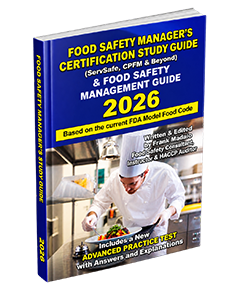
Westchester Food Safety offers live ServSafe Food Manager classes and exams, along with private group training opportunities for eligible businesses and food service teams.
Our training serves students from Westchester County and surrounding areas, including Connecticut communities.
Whether you are a restaurant owner, general manager, kitchen manager, or food service professional preparing for certification, I encourage you to take food safety seriously and invest in your knowledge.
A well-trained manager can help create a workplace where employees understand their responsibilities and food safety becomes part of the daily routine.
Final Thoughts: Food Safety Starts With Education
Foodborne illness is a serious public health issue, but restaurants can take meaningful steps to reduce risk.
Proper handwashing, safe cooking temperatures, effective cooling, preventing cross-contamination, employee health policies, and good food safety management all play an important role.
The responsibility begins with management and continues with every employee who handles food.
At Westchester Food Safety, I am committed to helping food service professionals understand these responsibilities and prepare for ServSafe Food Manager certification.
My message to restaurant owners is simple: do not wait for a food safety problem to make training a priority. Invest in your managers, educate your employees, and make food safety part of your restaurant's culture.
Learn more about ServSafe Food Manager classes and training options at:
Westchester Food Safety Website: https://www.westchesterfoodsafety.com/
Serving food service professionals throughout New York and Connecticut.
Food safety education today helps build safer kitchens tomorrow.


Comments