

What Westchester County Restaurants Need to Know About Food Manager and Allergy Training in 2026

Running a restaurant in Westchester County means more than serving great food. Restaurant owners and managers must also make sure their establishment is following current food safety requirements and protecting customers from foodborne illness and food allergies.
In 2026, two areas restaurant owners should pay particular attention to are
Food Manager certification and food allergy training.

Westchester Food Safety helps restaurants, food establishments, managers and employees stay prepared with professional food safety and food allergen training.
Food Manager Certification in Westchester County
Food safety management is an important part of operating a restaurant.
New York State food service establishments are regulated under Part 14 of the New York State Sanitary Code, while local health departments may have additional requirements. Westchester County has its own food service regulations and health department requirements.
A properly trained food manager can help a restaurant:
Maintain safe food temperatures
Prevent cross-contamination
Reduce the risk of foodborne illness
Train employees on proper food handling
Monitor cooking, cooling and reheating procedures
Improve sanitation practices
Prepare for health department inspections
Maintain proper food safety procedures
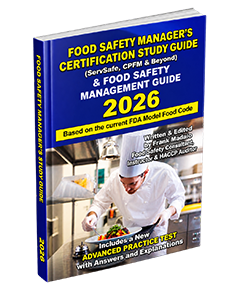
A Food Protection Manager certification course such as ServSafe Food Protection
Manager provides managers with the knowledge needed to oversee important food safety practices.
Food Allergy Training Is Especially Important in Westchester County
Westchester County has a specific Food Allergy Restaurant Safety Law, which became effective November 9, 2022.
According to the Westchester County Department of Health, restaurants must post food allergy information in both the front and back of the establishment. The county also requires restaurants to designate employees who have completed an approved allergen training program.
For restaurants that provide seating, at least one trained person must be in the kitchen and at least one trained person must be in the dining room during operating hours.
For takeout-only establishments, at least one trained person must be in the kitchen during operating hours.
This makes food allergy training something Westchester restaurant owners should take seriously.
What Allergy Training Should Cover
Food allergy training helps restaurant employees understand how to safely respond when a customer reports an allergy.
Training should cover topics such as:
The major food allergens
Recognizing food allergy risks
Preventing cross-contact
Proper communication between servers and kitchen staff
Reading ingredient information
Handling allergy-related customer requests
Cleaning and sanitizing surfaces and equipment
Preventing accidental exposure
Proper procedures when preparing an allergy-sensitive meal
The goal is simple: when a customer tells your staff they have a food allergy, everyone involved should know what to do.
Which Allergy Courses Does Westchester County Accept?
The Westchester County Department of Health currently identifies several acceptable allergen-training programs, including:
ServSafe Food Allergen
StateFoodSafety AllerTrain
FARECheck
If a restaurant wants to use another allergy-training program, the county advises contacting the Health Department before registering to verify that the course is approved.
Don't Forget Your Menu Allergy Notice
New York State also requires food service establishments to provide an appropriate food allergen/intolerance notice.
Restaurants can use an approved statement such as:
“If you have a food allergy or intolerance, please notify us.”
Alternatively, restaurants may provide allergen information for individual menu items or tell customers how to obtain allergen information. This requirement also applies to menus offered online, with additional requirements for establishments accepting online takeout or delivery orders.
This means restaurants should review not only their printed menus, but also their online menus and ordering systems.
What Should Westchester Restaurant Owners Do in 2026?
A good food safety compliance checklist includes:
1. Make Sure Your Food Safety Manager Training Is Current
Keep your Food Manager certification current and make sure your designated food safety personnel understand their responsibilities.
2. Make Sure Required Allergy Training Is Completed
Review your staffing schedule and determine whether you have enough trained employees to meet Westchester County's requirements during all operating hours.
3. Post Required Allergy Notices
Make sure required signs are properly posted in the appropriate areas of the restaurant.
4. Review Your Menu
Check both printed and online menus to make sure the required food allergy notification is included.
5. Train Your Entire Team
Even when only certain employees are required to hold specific certifications, training your entire staff on basic food allergy awareness can help prevent dangerous mistakes.
6. Keep Documentation Available
Maintain copies of employee certifications and training records so management can demonstrate compliance when necessary.
Why Food Safety Training Matters
Food safety is not simply about passing a health department inspection.
It is about protecting your customers, protecting your employees and protecting your business.
A properly trained team is better prepared to prevent foodborne illness, respond to food allergy concerns and maintain consistent food safety procedures.
Westchester County restaurants should also remember that requirements can change. New York State maintains Part 14 of the Sanitary Code, while local health departments may establish additional requirements.
Westchester Food Safety Can Help
Westchester Food Safety provides food safety training training for restaurants and food establishments throughout Westchester County and the surrounding Tri-State area.
We offer:
ServSafe Food Protection Manager training
Food Manager certification and examination
Food Handler training
On-site restaurant training
Customized food safety training
Training for new and existing food establishments
As far as Allergy training this can generally be done online, call and we will point you in the right direction.
Whether you are opening a new restaurant, training new employees or simply want to make sure your current staff is properly prepared, professional food safety training can help.
Don't wait until your next health department inspection to discover a training gap.
Contact Westchester Food Safety to discuss your restaurant's food safety and allergy training needs.
Westchester Food Safety — Helping Westchester County restaurants stay trained, prepared and food-safety focused.


Comments